

Washington Farmland Lease Agreement Templates & Farm Rent Calculators
Download your Washington Farmland Lease template
-
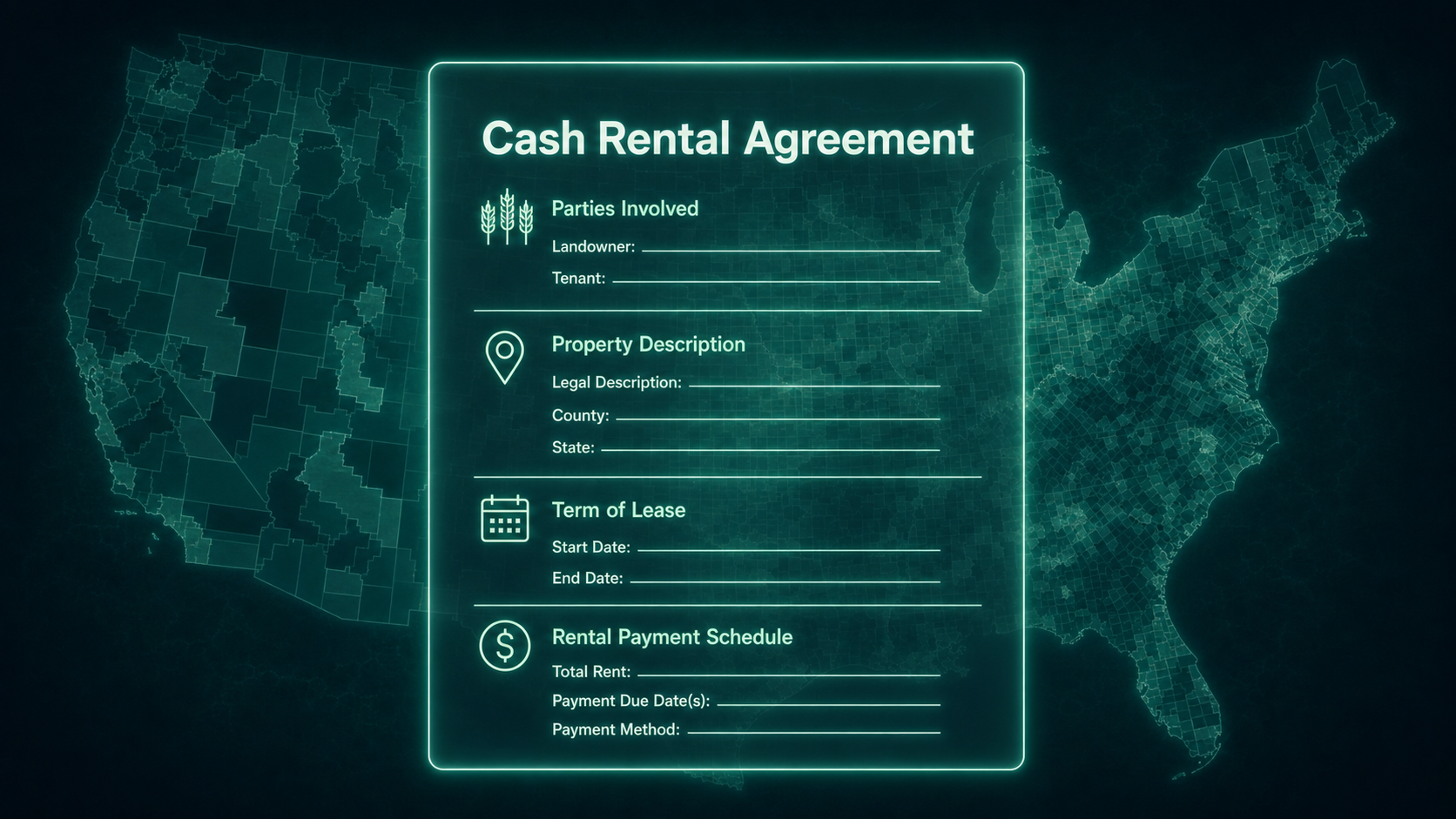
![Washington Land Lease Agreement Template from Oaken]()
Washington Land Lease Agreement Template
-
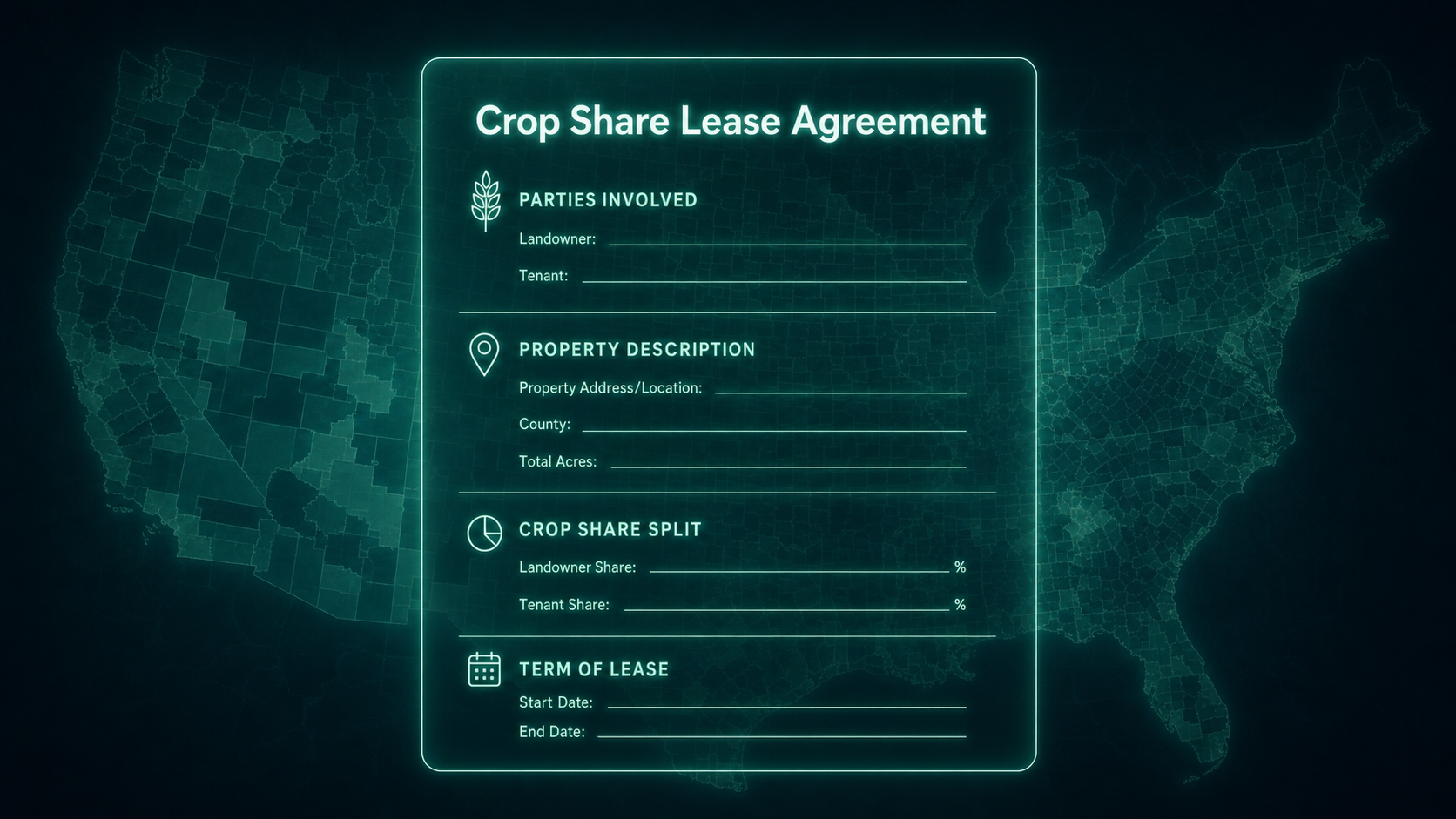
![Washington Crop Share Lease from Oaken]()
Washington Crop Share Lease
-
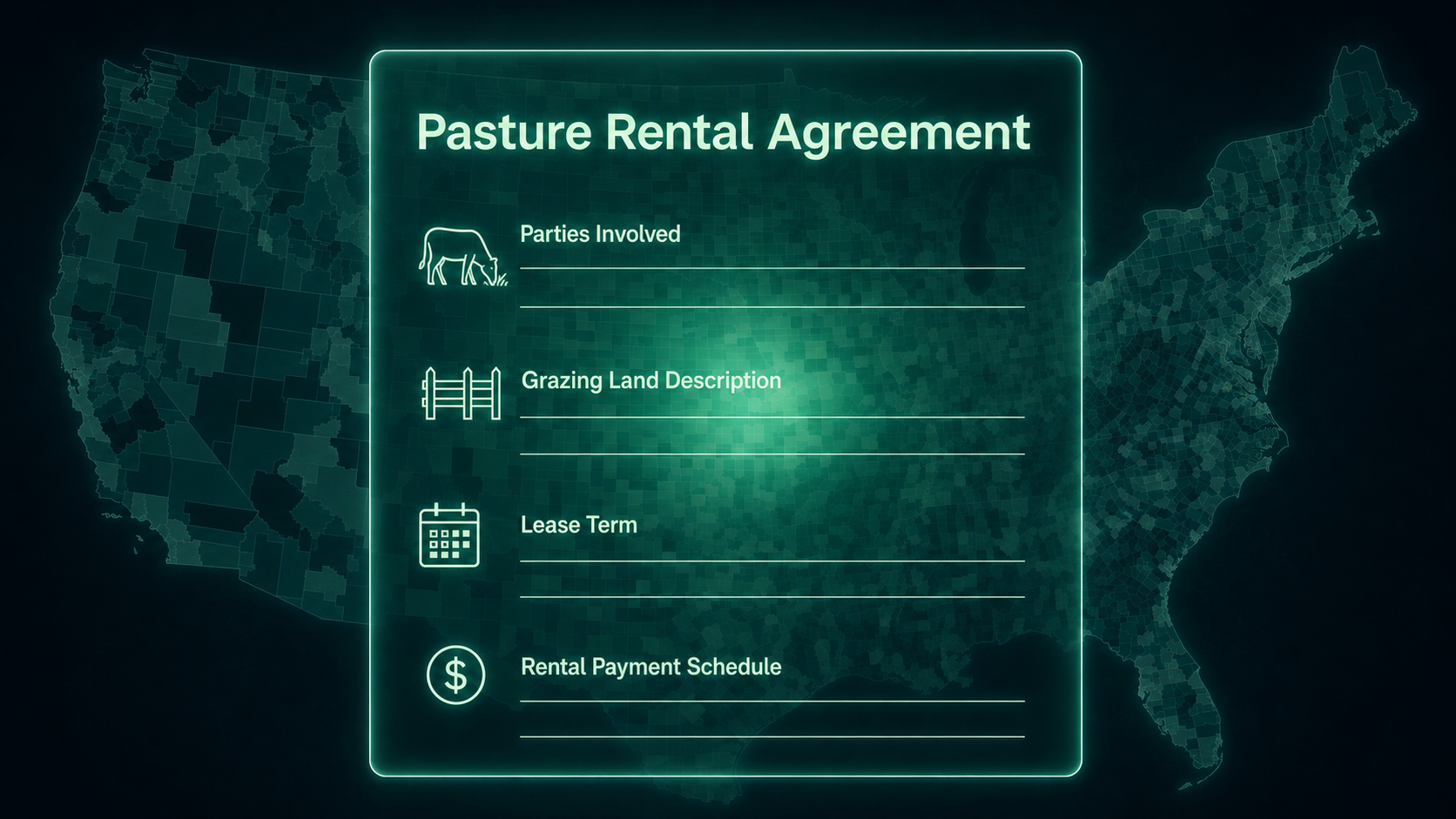
![Pasture Lease Agreement Washington from Oaken]()
Washington Pasture Lease
-
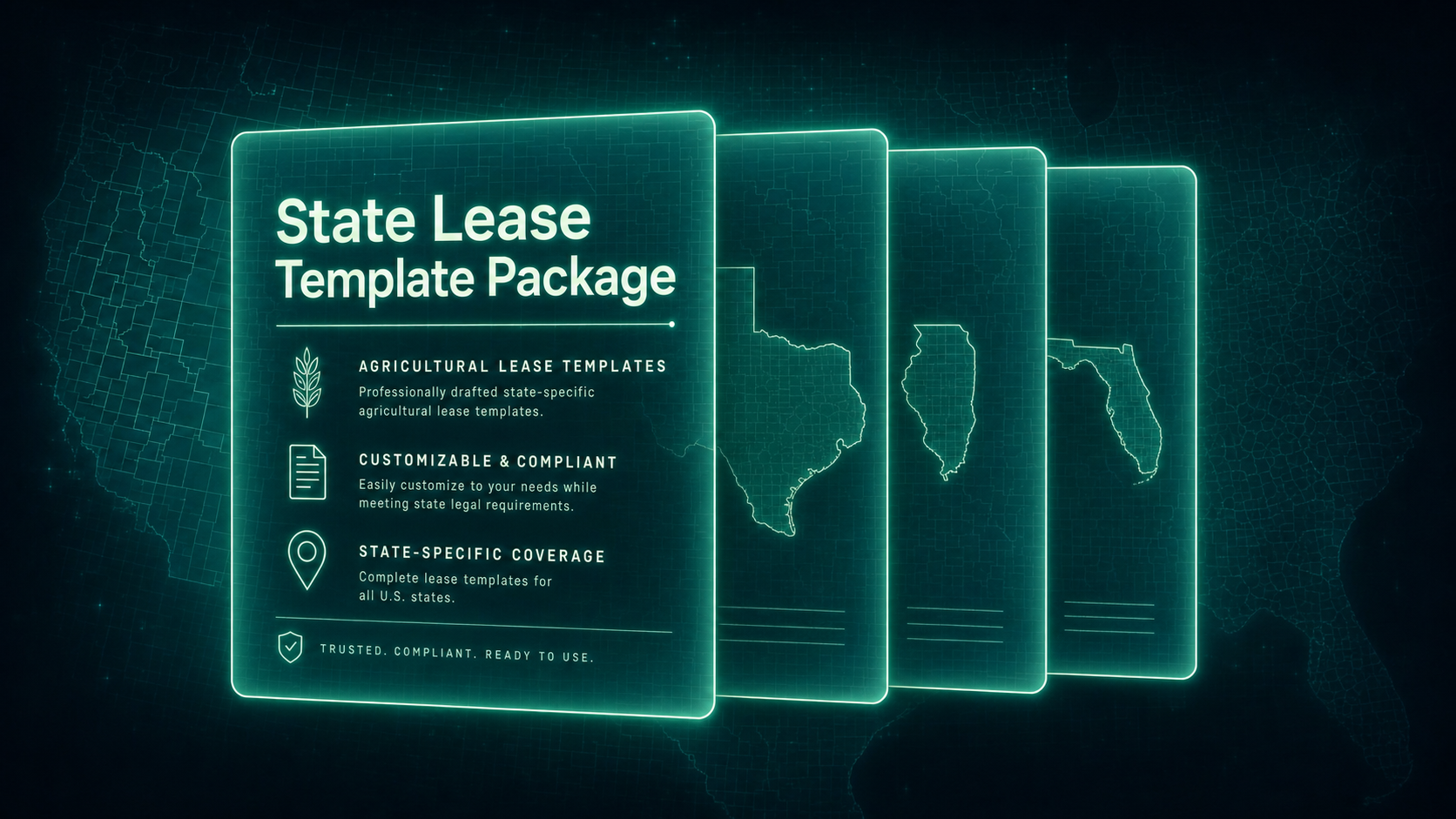
![Washington state lease bundle from Oaken]()
Washington state lease bundle
Renegotiating your Washington farmland lease and rent? Explore our calculators.
-
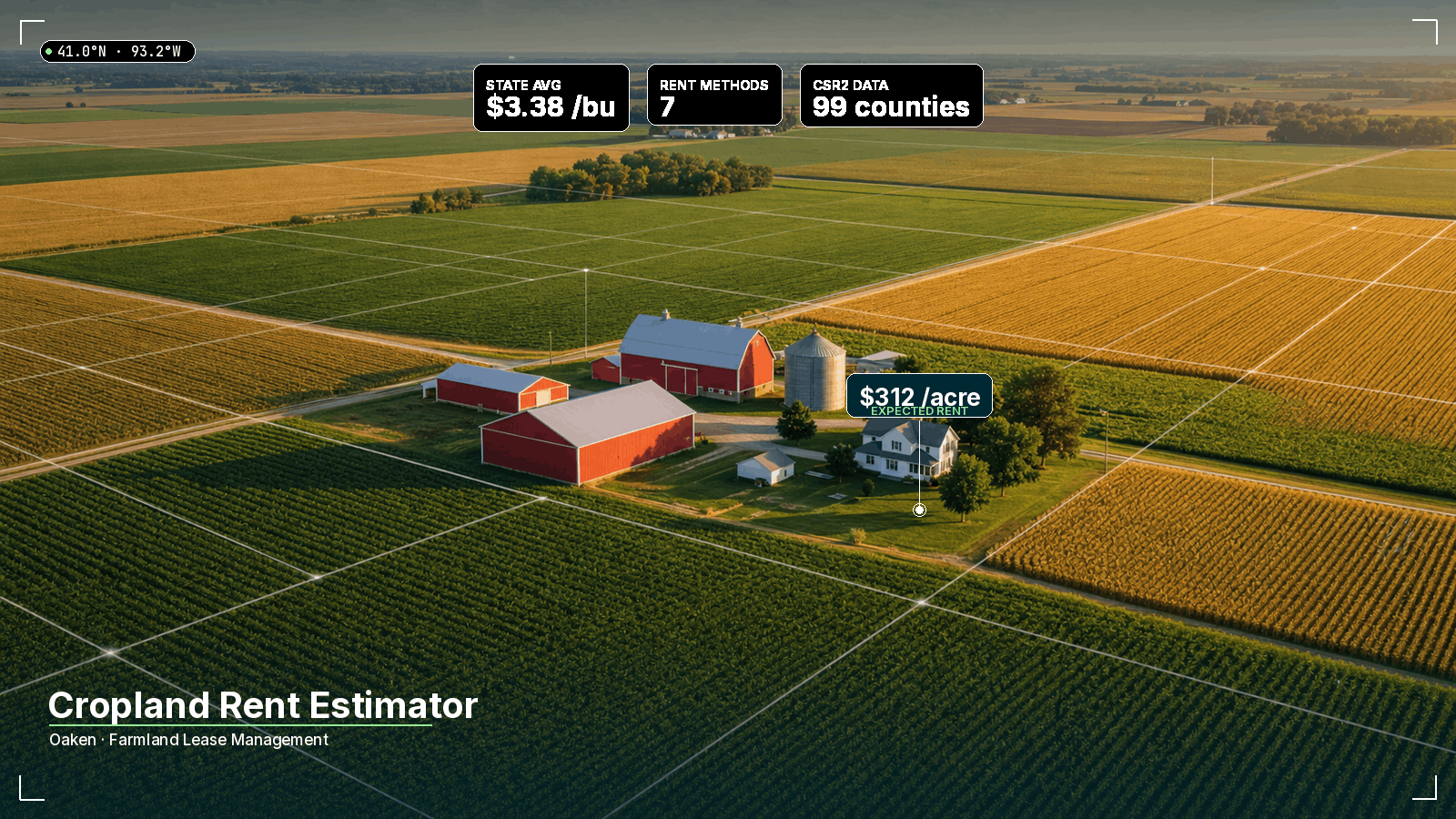
![Washington Farmland Cash Rental Rate Lease calculator]()
Washington Farmland Cash Rental Rate Lease calculator
Calculate fair, data-driven rental rates for your agricultural land. This calculator uses official county historical data and flexible cash rent models to help landowners and farm operators determine market-aligned lease rates, adapt to changing crop yields, and structure equitable agreements.
-
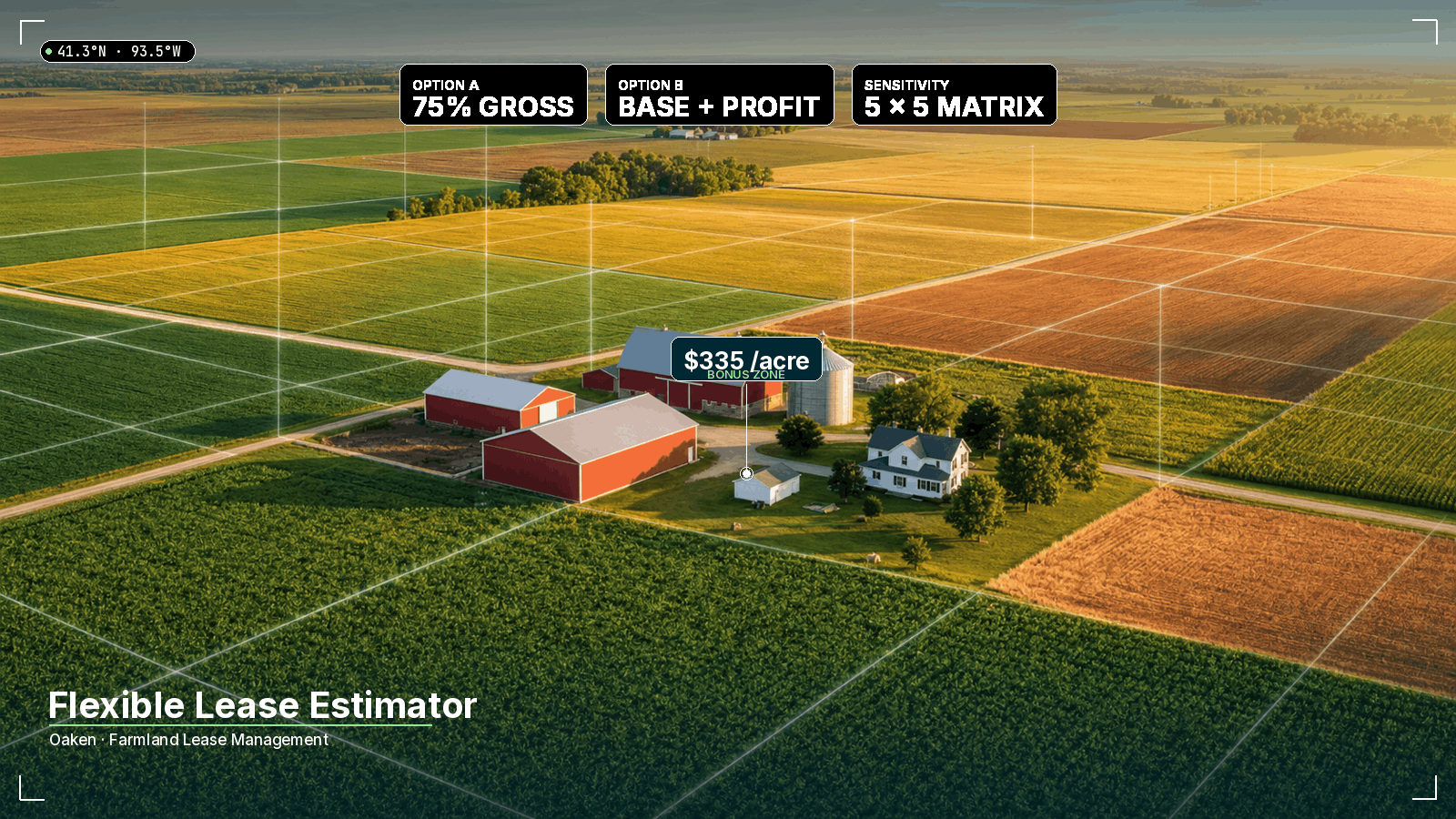
![Washington Flexible rent estimator Oaken]()
Washington Flex rent Calculator
A flex rent calculator helps landowners and farm operators structure transparent, risk-sharing farmland leases that dynamically adjust payments based on actual yields, prices, or gross revenues. By incorporating real-time agricultural benchmarks, flexible lease models protect profit margins during downturns while enabling shared upside during high-yield harvest seasons.
-
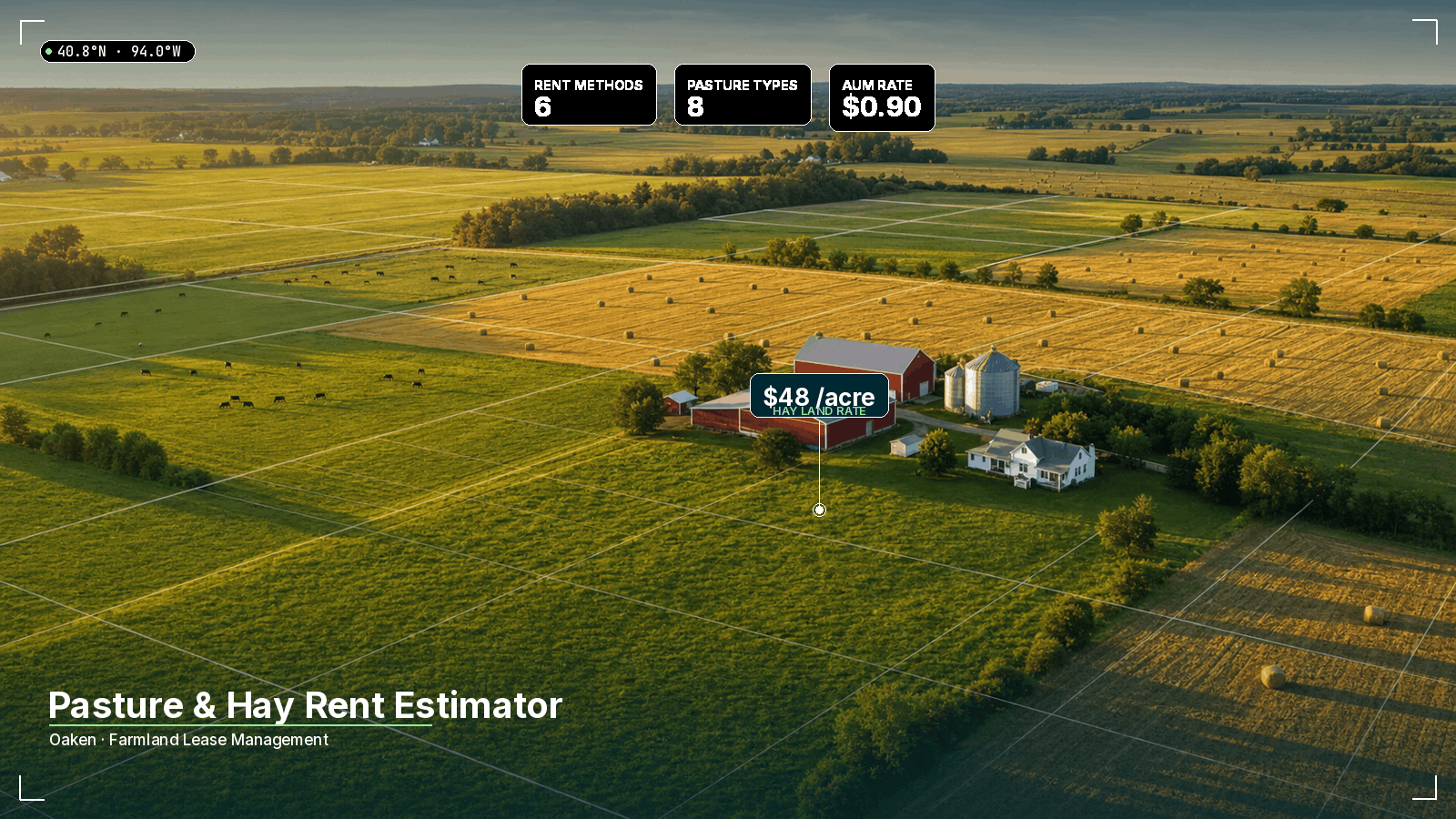
![Washington Pasture and Hay rent calculator Oaken]()
Washington Pasture Rental and Lease Rate Calculator
Determine fair, market-based rental rates for grazing land . This calculator incorporates historical county data, stocking rates, and animal unit equivalents to help landowners and livestock producers structure transparent, equitable pasture lease agreements.
-
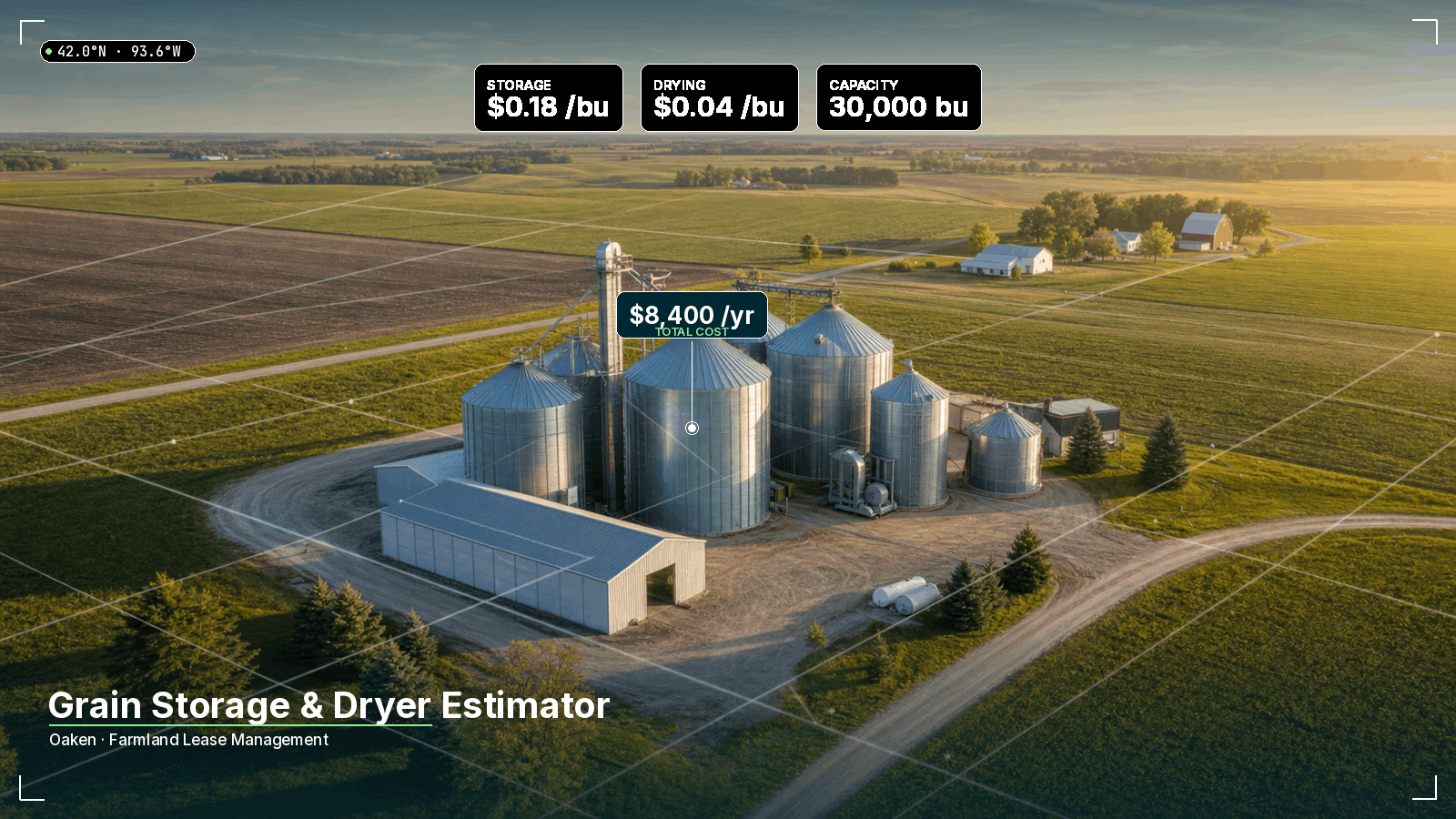
![Washington Grain Storage Rental and Lease Rate Calculator]()
Washington Grain Storage Rental and Lease Rate Calculator
Determine fair, market-based rental rates for grain storage facilities. This calculator factor in bin capacity, aeration, drying capabilities, and local utility costs to help landowners and farm operators structure clear, equitable grain storage lease agreements.
-
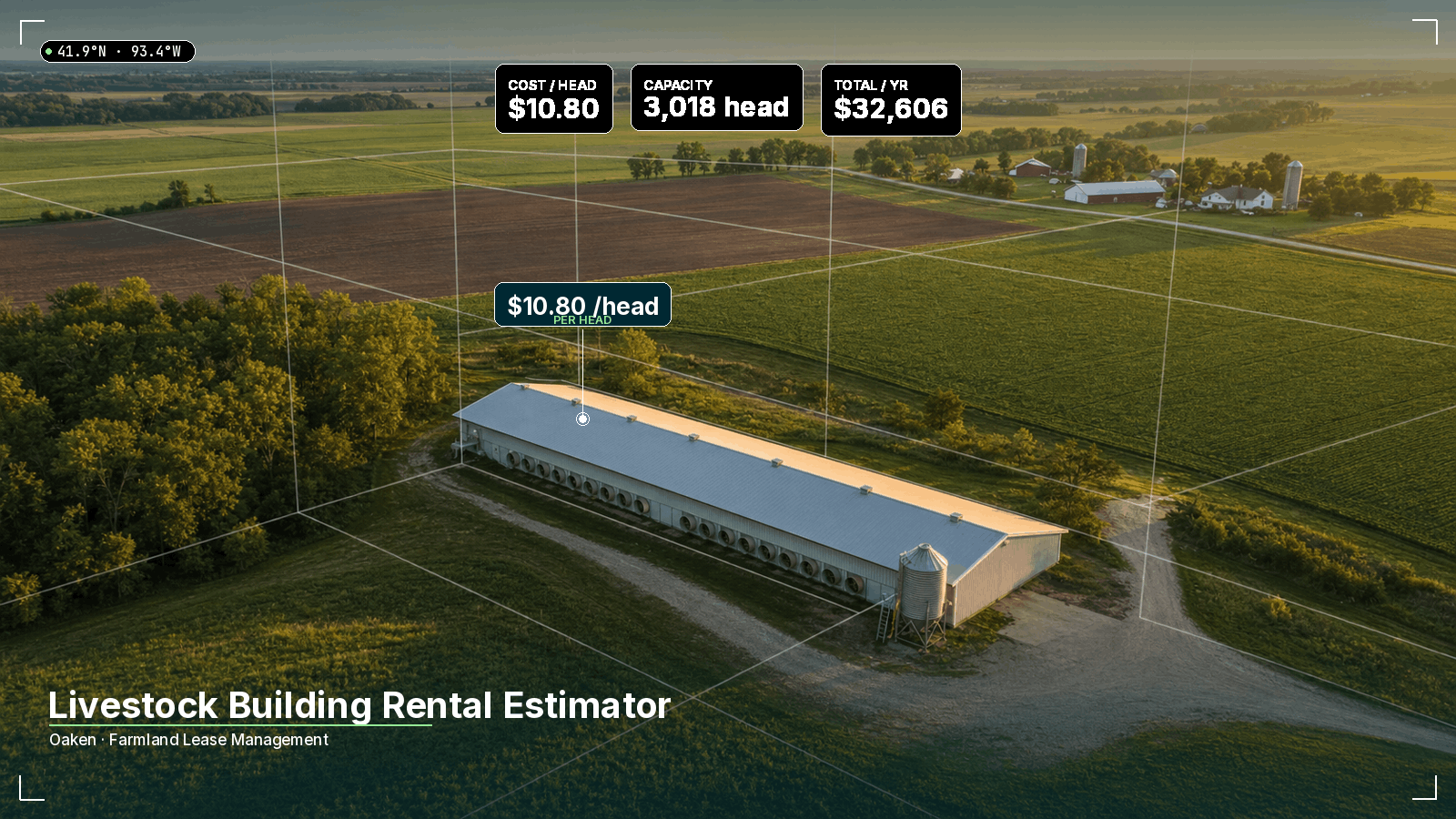
![Washington Livestock Building Cash Rental Rate and Lease Calculator]()
Washington Livestock Building Cash Rental Rate and Lease Calculator Item
Determine fair, market-aligned rental rates for livestock housing and feeding facilities. This calculator accounts for facility type, head capacity, manure handling agreements, and utility responsibility to help barn owners and livestock operators structure equitable lease terms.
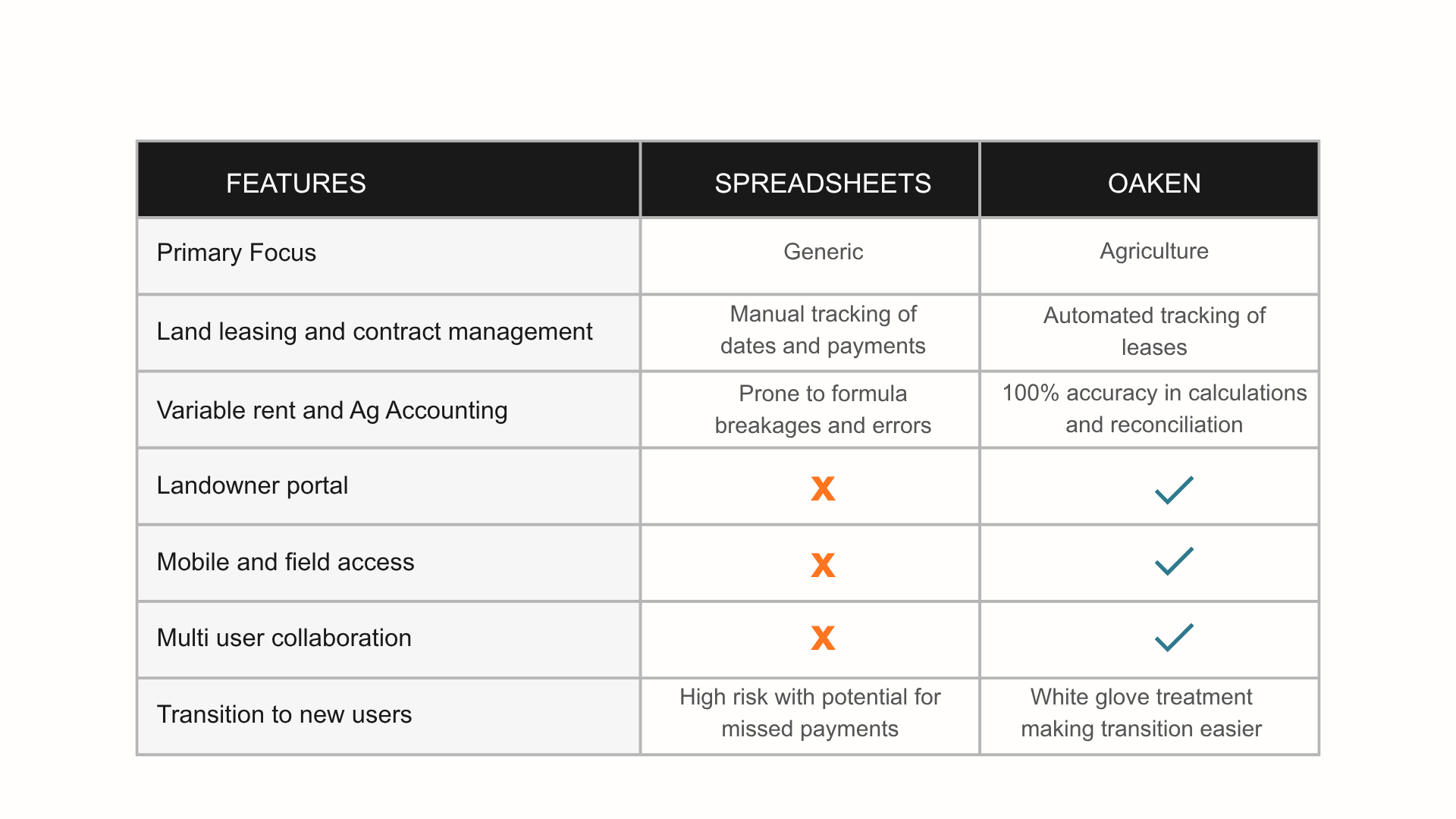
Managing multiple Washington farms? Ditch the binder and excel
Frequently Asked Questions
-
To be legally enforceable, a Washington agricultural lease must name the landowner and tenant, provide a clear legal description of the property, set explicit payment terms (cash, flexible, or crop-share), and be signed by both parties. Under Washington law (RCW 59.04.010), automatic year-to-year agricultural tenancies are abolished—meaning all multi-year farm leases must be in writing to be valid. Furthermore, leases lasting longer than one year must be acknowledged before a notary public (RCW 64.04.010/020).
-
While standard calendar-year leases (January 1 through December 31) are common for annual row crops, Washington farmland lease schedules often adapt to regional crop cycles. In irrigated regions like the Yakima Valley or Columbia Basin, lease start dates frequently align with crop rotations for high-value specialty crops (such as apples, hops, or potatoes). Dryland wheat operations in Eastern Washington often run on fall-to-fall lease cycles (such as September 1 to August 31) to accommodate summer fallow practices.
-
For fixed-term written leases, tenancy automatically ends on the contract's specified expiration date without mandatory notice unless the lease agreement explicitly requires it. Under Washington's general tenancy statutes (RCW 59.04.020 and RCW 59.12.020), periodic tenancies (such as month-to-month or agricultural holdovers) generally require written notice to terminate delivered at least 20 to 30 days before the end of the rental period. Notices should always be sent via certified mail or hand-delivered with proof of service to prevent legal disputes.
-
Washington agricultural operations primarily utilize four core lease models:
Fixed Cash Rent: A predictable, fixed dollar fee paid per acre annually or semi-annually.
Flexible Cash Rent: Rent that adjusts based on actual crop prices, field yields, or water delivery allocations.
Crop Share: Landowners and operators share input costs (seed, fertilizer, chemicals, irrigation power) and divide gross crop yields or revenue at an agreed percentage.
Pasture & Range Lease: Charged per acre, per head, or on an Animal Unit Month (AUM) basis for livestock grazing.
-
Farmland lease rates across Washington vary significantly depending on geography, crop potential, and water security. Primary pricing factors include:
Water Rights & Irrigation Delivery: Ground with senior water rights or irrigation district allotments (e.g., Columbia Basin Project) commands top market rates compared to dryland acreage or ground subject to curtailment.
Crop Capability: Irrigated ground suitable for high-value orchards, vineyards, or root crops commands substantially higher rent than dryland wheat acreage.
USDA NASS Benchmarks: Regional historical averages published by the USDA National Agricultural Statistics Service.
Logistics & Infrastructure: Proximity to packing houses, cold storage facilities, processors, and barge/rail transport terminals along the Columbia River.
-
Real property taxes are the legal responsibility of the landowner. On irrigated land, responsibilities are split: landowners typically cover permanent irrigation district infrastructure assessments (capital construction costs) to protect water rights title, while tenants pay volumetric water delivery fees, pump electricity/fuel, and daily upkeep of delivery systems (pivots, drip lines, mainline pumps). Major well or pump replacements are treated as capital expenses paid by the owner.
-
To safeguard long-term property values, Washington farm leases routinely establish soil nutrient baseline tests (pH, organic matter, electrical conductivity for salinity) at lease execution so the land is returned in equivalent condition. Contracts also mandate that tenants maintain continuous "beneficial use" of water rights under Washington Department of Ecology guidelines to prevent relinquishment (forfeiture), while adhering to USDA-NRCS conservation plans to control wind erosion in dryland zones.
Get started today.
DisclaimerThe information, agreement templates, calculators, and other tools provided on this platform by Oaken are for general informational and educational purposes only and do not constitute legal, financial, or professional advice. While Oaken strives to keep information current and accurate, templates and calculators are generic guidelines and may not reflect specific state, local, or individual circumstances. Oaken makes no representations or warranties of any kind, express or implied, regarding the accuracy, completeness, or legal sufficiency of any content provided. Use of Oaken’s templates and tools does not create an attorney-client or fiduciary relationship. Users are strongly advised to consult with a qualified attorney or legal professional for clarification, advice, or customization before executing any legal documents or making decisions based on calculations provided on this site. Oaken assumes no responsibility or liability for any errors, omissions, or outcomes resulting from the use of these materials.