

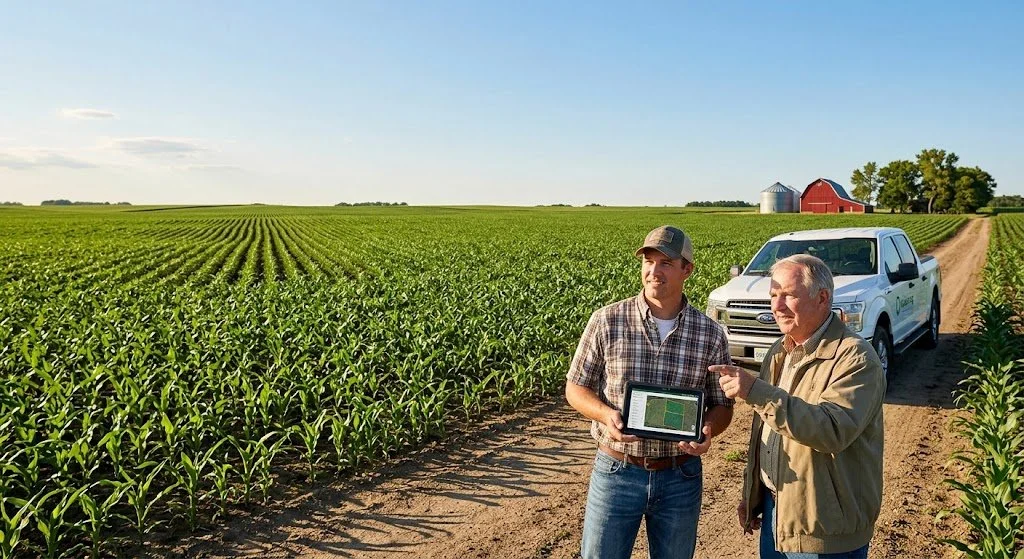
6 Steps to Prepare Your Iowa Farmland for Leasing—and Modernize Your Management
Learn how to prepare your Iowa farmland for leasing in 6 steps. Discover strategies for benchmarking land value, handling statutory deadlines, and modernizing lease management.
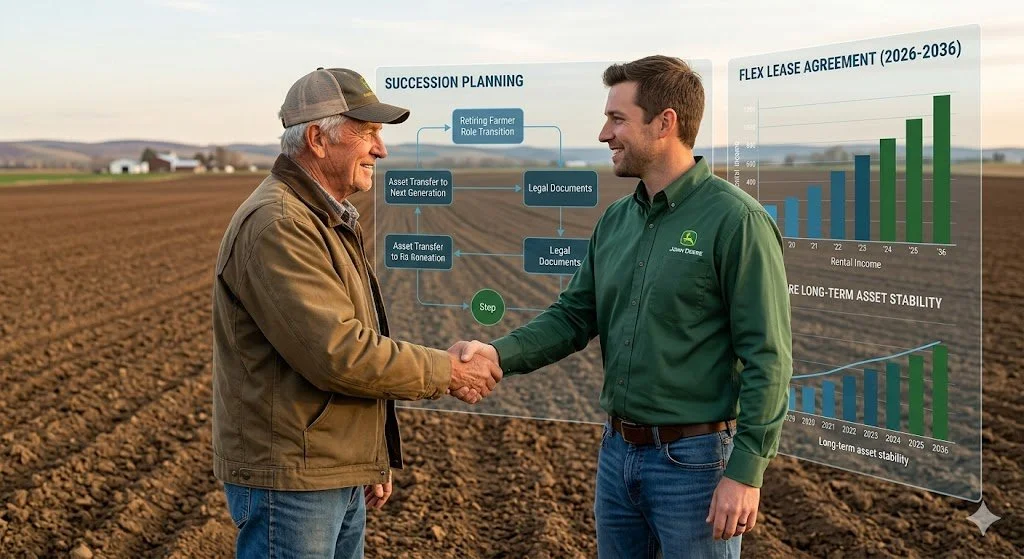
The New Landlord Class: Optimizing Leases for Non-Operator Goals and Generational Transfer
With 79% of rented U.S. farmland owned by non-farming individuals, the focus shifts to leases that meet non-operator goals. Modern landowners prioritize reliable retirement income and asset stewardship over pure operational control. Flexible agreements—like flex leases and crop share—combined with clear succession documentation are essential for managing this transition.
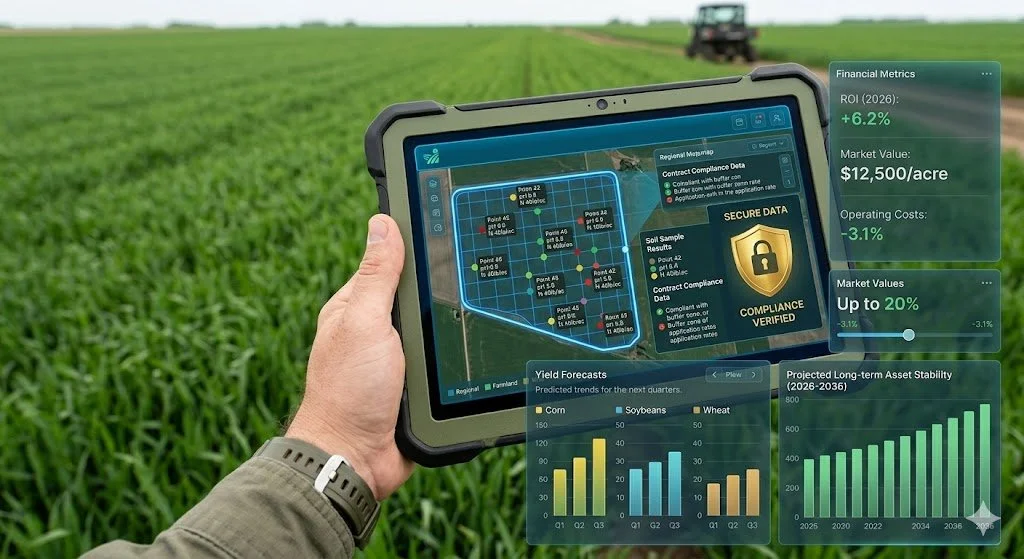
Beyond the Spreadsheet: Leveraging AI for Precision and Compliance in Farmland Leasing
In 2026, AI is transforming farmland management by focusing on business analysis and compliance, not just agronomy. Landowners and managers must adopt standardized Decision Support Systems (DSS) to integrate field data directly into lease oversight, ensuring precision, compliance, and risk mitigation.
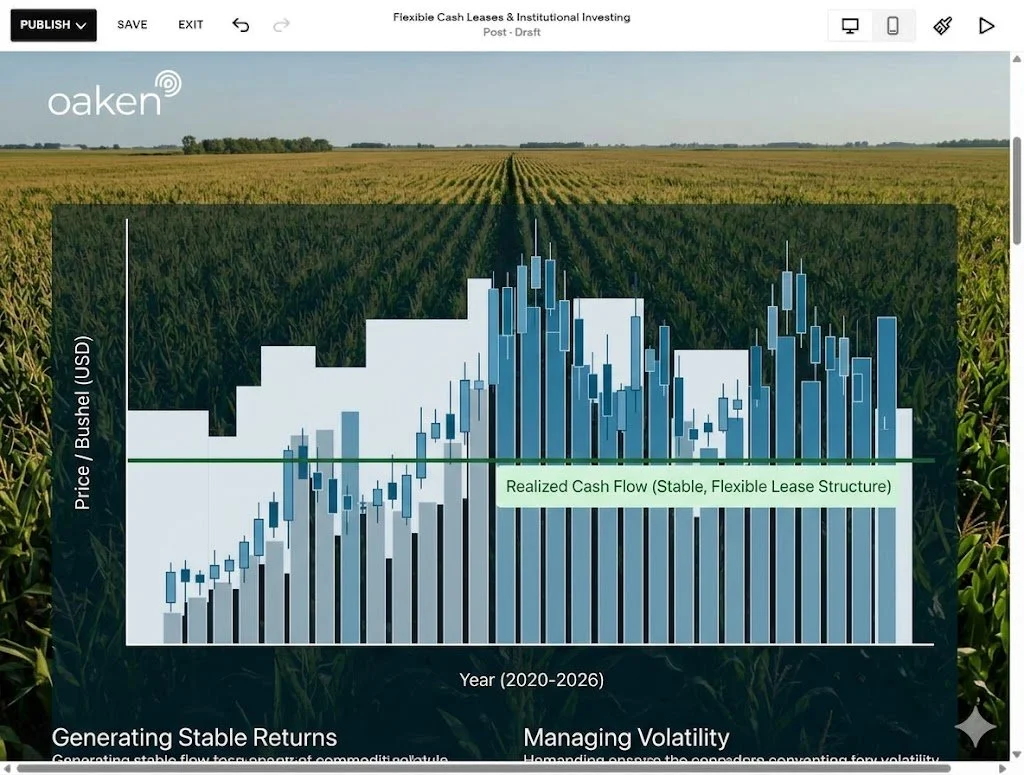
Flexible Cash Leases & Institutional Investing
With US farm margins facing a squeeze in 2026, the traditional fixed cash lease is increasingly unsuitable for strategic risk sharing. Institutional investors are pivoting toward flexible cash and flex-hybrid agreements to protect downside risk while capturing upside potential, stabilizing cash flow in a volatile market.
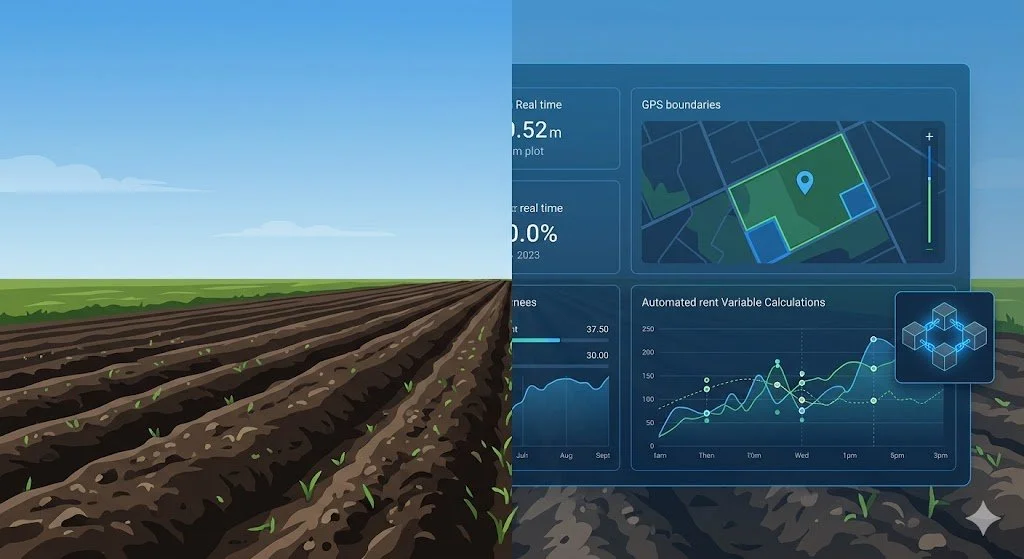
The Digital Foundation for Leasing
By 2026, digital platforms are projected to govern over a third of new farm leases, fundamentally reshaping how landowners and operators manage risk and compliance. Technology is moving farmland agreements from retrospective paperwork to proactive, data-driven systems, offering unparalleled efficiency and transparency.
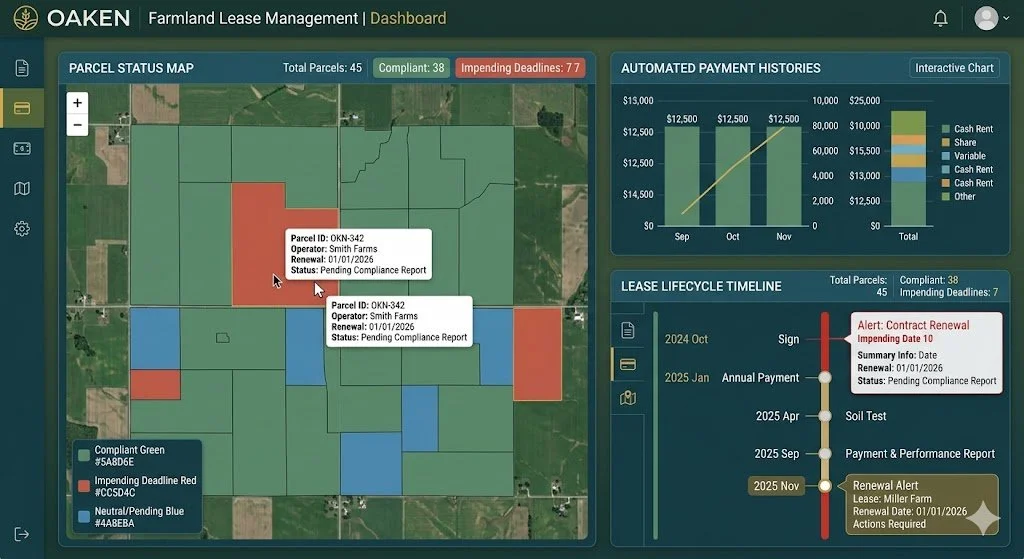
Beyond Spreadsheets: Digital Platforms as the New Standard for Farmland Lease Compliance
Transition from manual spreadsheets to digital platforms for centralized farmland lease management. Automate payments, track compliance, and reduce administrative risk.

The Cash Rent Reality Check: Mastering Flexible Lease Structures for 2026 Profitability
Faced with low commodity prices and high input costs, 2026 margins are forcing landowners and operators to reconsider traditional fixed cash rents. Flexible cash lease agreements offer a necessary alternative, allowing rent to adjust based on real-world yields and market prices, promoting fairness and stability for both parties.
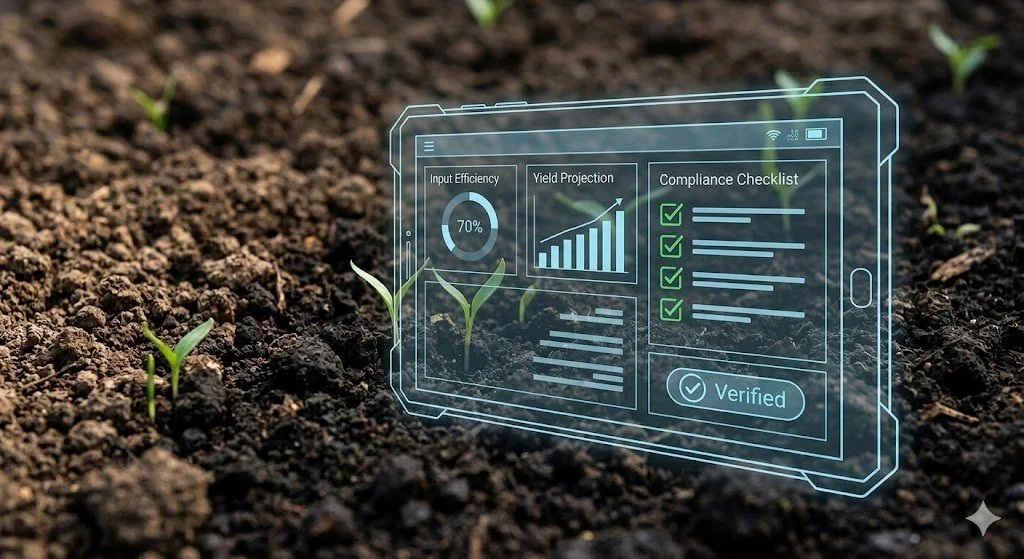
Digitalizing the Lease Lifecycle: Leveraging FMS for Real-Time Compliance and Performance Metrics
Traditional, paper-based leasing can no longer keep pace with the demands of modern agriculture, especially concerning real-time compliance and performance monitoring. Leveraging farm management software (FMS) allows landowners and farm managers to move from retrospective reporting to proactive, real-time digital compliance, verifying operational metrics directly from the field. This digitalization drives efficiency, mitigates risk, and builds a foundation of transparency essential for modern farm partnerships.
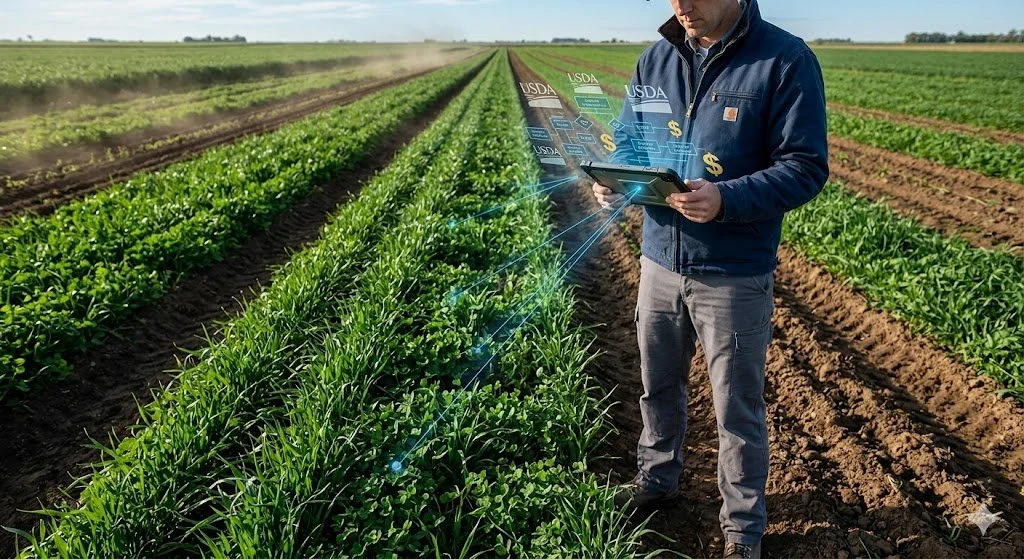
The Policy Pivot: How the 2026 Farm Bill is Redefining Farmland Rental Structures
The 2026 Farm Bill reauthorization is poised to significantly expand support for climate-smart practices and precision agriculture. For farm managers and landlords, this means leases must now explicitly define roles, responsibilities, and cost-sharing for federal conservation programs like CSP and EQIP to maximize financial access.
The Digital Farmland Foundation: Streamlining Lease Compliance with Smart Contracts in 2026
By 2026, technology is predicted to govern over a third of new farm leases. Digital platforms are shifting lease management from paper files to real-time, data-driven compliance systems, offering unparalleled transparency and operational efficiency for institutional investors and farm managers alike.

How to Improve Tenant-Landowner Communication: 2026 Farm Guide
Master the art of tenant-landowner communication with our 2026 guide. Learn how to build trust, choose the right digital channels, and provide the transparency needed to become the "tenant of choice" for modern landowners.