

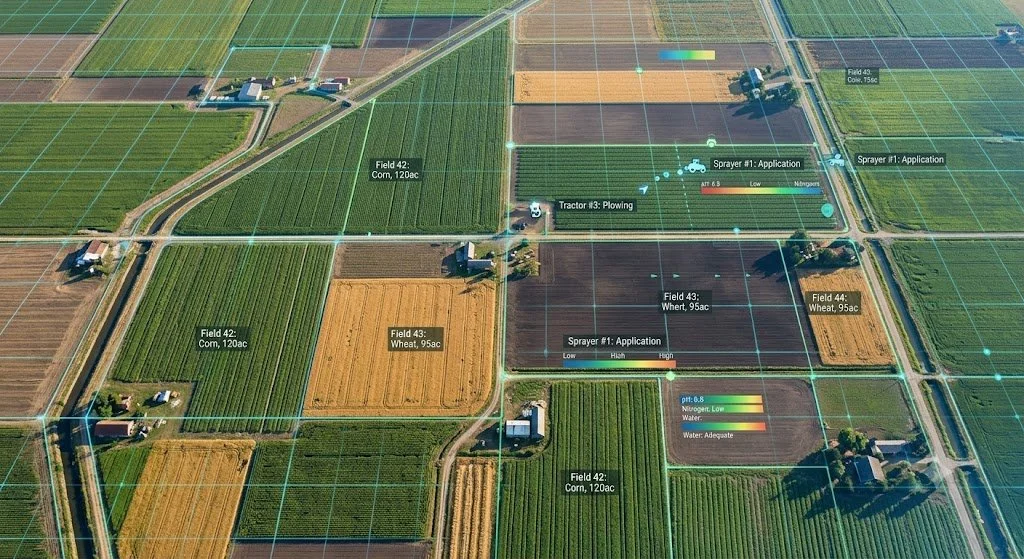
Navigating the New Era of Farmland Compliance: State Bans, AFIDA Overhauls, and Portfolio Risk
State-level bans and a proposed federal overhaul of AFIDA are reshaping farmland acquisitions. Discover how agricultural asset managers and investment teams can navigate evolving compliance requirements and protect portfolio transparency.
Beyond Appreciation: Strategic Farmland Leasing in a Stabilizing Market
With the U.S. farmland market transitioning from rapid growth to stability, institutional investors must pivot. Explore how strategic, data-backed leasing models protect capital and ensure long-term profitability.
The Digital Evolution: Integrating AI into Farmland Leasing
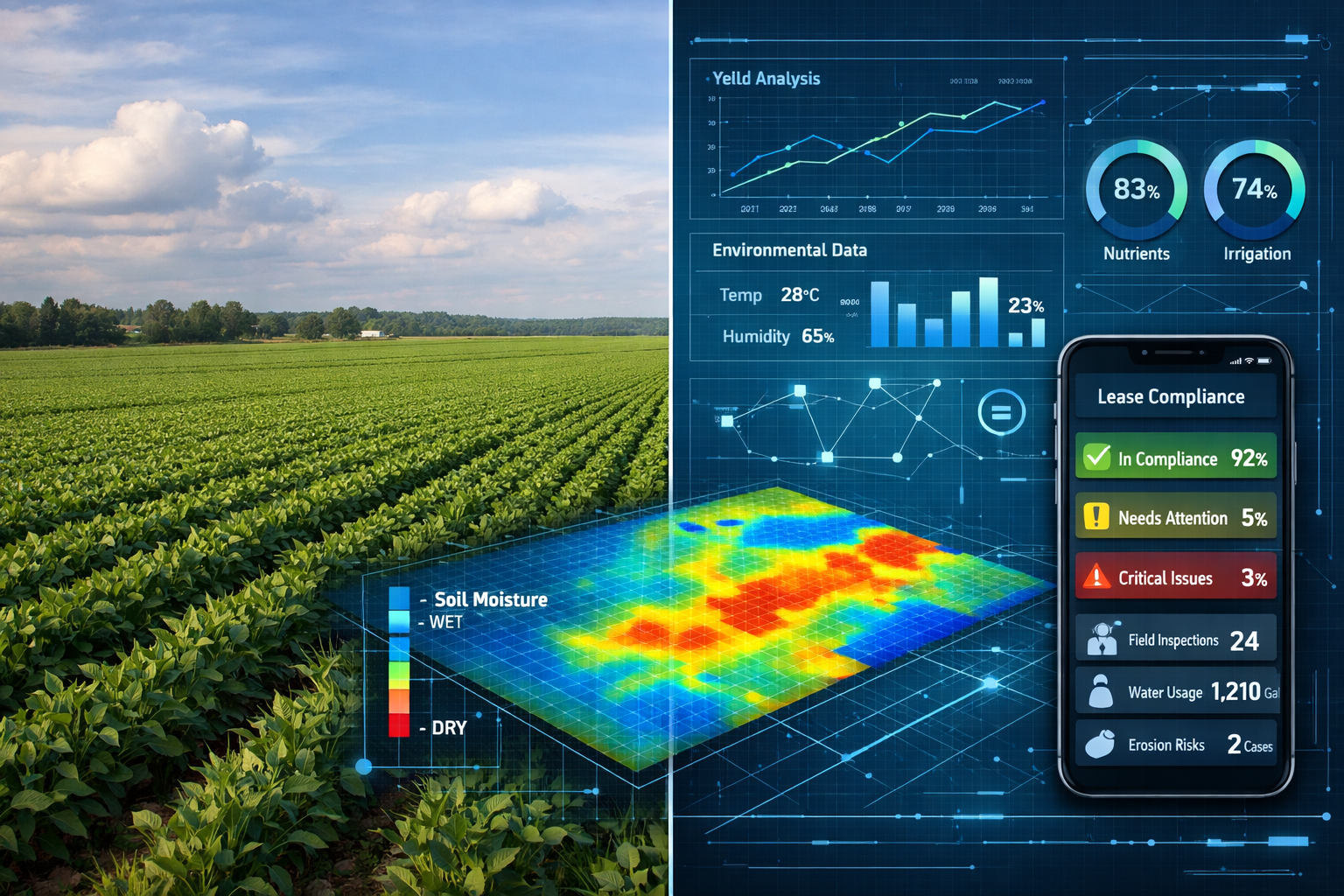
By 2026, AI has transitioned from a novelty to an operational necessity in agriculture. This article explores how adopting standardized Decision Support Systems is transforming lease management into a proactive, data-driven strategy for better ROI.

Navigating the New Landscape: Key Farmland Leasing Provisions in the 2026 Farm Bill and Succession Strategies
The Farm, Food, and National Security Act of 2026 offers crucial updates, particularly in expanding producer credit and promoting precision agriculture. For retiring landowners, these new federal programs are vital leverage points to structure flexible lease agreements that facilitate smooth farm transitions and succession planning.

Shaking Up the Handshake: What Drives Flexible Farmland Leases in Iowa?
The article analyzes a 20-year dataset from the Iowa Farmland Ownership and Tenure Survey (conducted by Cornell and Iowa State University) to explore the shifting dynamics of agricultural leasing structures.
The New Landlord Class: Optimizing Leases for Non-Operator Goals and Generational Transfer
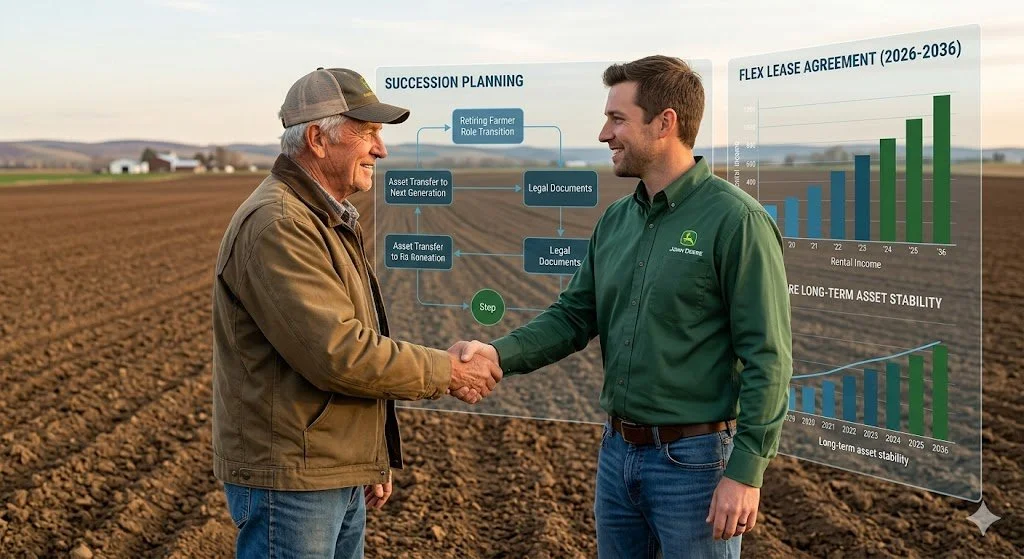
With 79% of rented U.S. farmland owned by non-farming individuals, the focus shifts to leases that meet non-operator goals. Modern landowners prioritize reliable retirement income and asset stewardship over pure operational control. Flexible agreements—like flex leases and crop share—combined with clear succession documentation are essential for managing this transition.
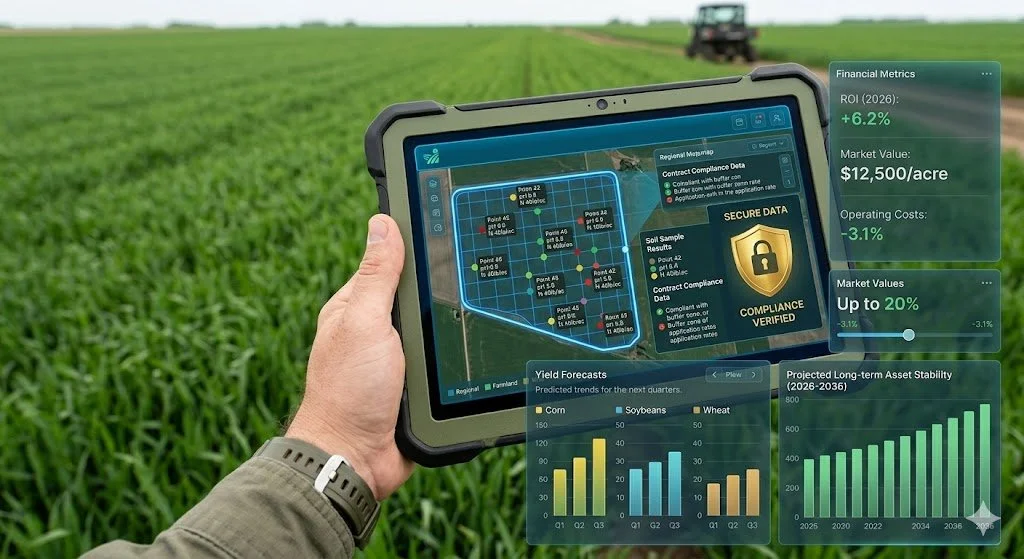
Beyond the Spreadsheet: Leveraging AI for Precision and Compliance in Farmland Leasing
In 2026, AI is transforming farmland management by focusing on business analysis and compliance, not just agronomy. Landowners and managers must adopt standardized Decision Support Systems (DSS) to integrate field data directly into lease oversight, ensuring precision, compliance, and risk mitigation.
Farmland 2026: The Shift from "Hype" to Fundamentals
The agricultural land market is undergoing a "mature pullback." After the record-breaking transaction volumes of 2021 and 2022, the market is normalizing. While the broader U.S. economy is showing resilience against recession, farmland values are now being dictated by two primary factors: input-energy correlations and resource security.

The Cash Rent Reality Check: Mastering Flexible Lease Structures for 2026 Profitability
Faced with low commodity prices and high input costs, 2026 margins are forcing landowners and operators to reconsider traditional fixed cash rents. Flexible cash lease agreements offer a necessary alternative, allowing rent to adjust based on real-world yields and market prices, promoting fairness and stability for both parties.
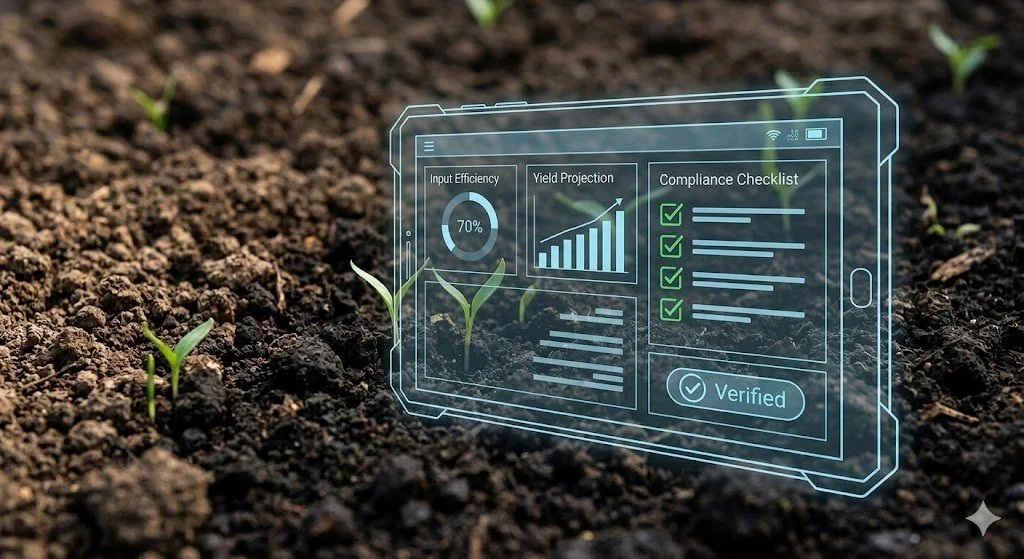
Digitalizing the Lease Lifecycle: Leveraging FMS for Real-Time Compliance and Performance Metrics
Traditional, paper-based leasing can no longer keep pace with the demands of modern agriculture, especially concerning real-time compliance and performance monitoring. Leveraging farm management software (FMS) allows landowners and farm managers to move from retrospective reporting to proactive, real-time digital compliance, verifying operational metrics directly from the field. This digitalization drives efficiency, mitigates risk, and builds a foundation of transparency essential for modern farm partnerships.
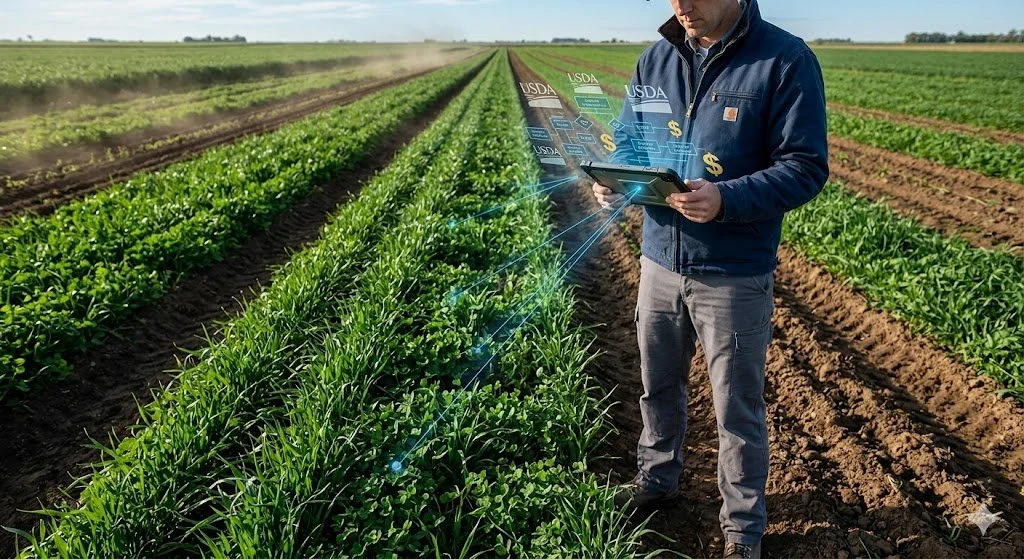
The Policy Pivot: How the 2026 Farm Bill is Redefining Farmland Rental Structures
The 2026 Farm Bill reauthorization is poised to significantly expand support for climate-smart practices and precision agriculture. For farm managers and landlords, this means leases must now explicitly define roles, responsibilities, and cost-sharing for federal conservation programs like CSP and EQIP to maximize financial access.
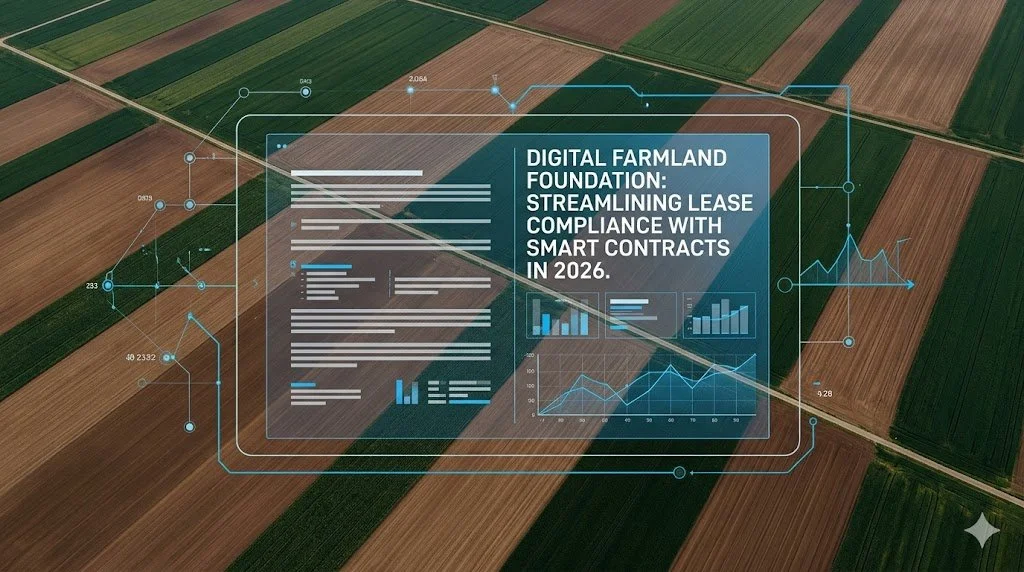
The Digital Farmland Foundation: Streamlining Lease Compliance with Smart Contracts in 2026
By 2026, technology is predicted to govern over a third of new farm leases. Digital platforms are shifting lease management from paper files to real-time, data-driven compliance systems, offering unparalleled transparency and operational efficiency for institutional investors and farm managers alike.

Written Farmland Lease Benefits & 2026 Legal Guide | Oaken
Transitioning from a handshake to a written farmland lease is essential for modern agriculture. Learn how formal agreements protect landowners and tenants through clearer terms, liability protection, and long-term security.

How to Improve Tenant-Landowner Communication: 2026 Farm Guide
Master the art of tenant-landowner communication with our 2026 guide. Learn how to build trust, choose the right digital channels, and provide the transparency needed to become the "tenant of choice" for modern landowners.
Farmland Lease Tax Guide (2026): Cash Rent vs. Crop Share | Oaken
The "best" lease is not just about the highest per-acre price; it is about the net return after taxes and the long-term health of the soil. A cash rent lease offers simplicity and a "hands-off" approach, but it limits your ability to use the tax code to offset the costs of property improvements. A crop share lease requires more involvement and carries more market risk, but it opens the door to powerful tax tools that can significantly enhance the value of your land.

Monetizing Sustainability: Structuring Farmland Leases for the Climate-Smart Commodities Era
With $3.1 billion invested in USDA Climate-Smart Commodity Partnerships, integrating regenerative practices into farmland leases is now a high-stakes financial strategy. Structuring "climate-smart" clauses allows landowners and farm managers to participate in these new market opportunities by clearly defining verification requirements, allocating incentive payments, and ensuring the long-term adoption of conservation practices.

The Digital Foundation: Why 35% of Farmland Leases Will Be Managed Digitally By 2026
By 2026, the shift toward transparent, technology-powered contracts will fundamentally reshape farmland leasing, with a projected 35% of new agreements utilizing digital platforms for compliance and management. Digital leasing moves beyond simple e-signatures, offering farm managers and institutional investors centralized documentation, streamlined regulatory compliance, and better risk management through data integration.

The Modern Farmer’s Guide to Ironclad Land Lease Agreements: Maximizing Value and Security
In the landscape of American agriculture, the land is more than just dirt; it is the most significant asset in a producer's portfolio. For many operators, expansion and stability depend on farm rental agreements. While the terms "lease" and "rental agreement" are often used interchangeably, the weight they carry is identical: they are the legal foundation of your business relationship with a landowner.
Secure Your Land’s Future: A Comprehensive Repository of Farm Lease Agreements
Secure your farm’s future with our comprehensive repository of state-specific agricultural lease templates. From Illinois to Nebraska, access legally sound documents for cash rent, crop sharing, and pasture agreements to protect your land and your partnerships.

Farmland Leasing Strategies for Farmers: Surviving the 2026 Margin Squeeze
For many farmers across the United States, the agricultural landscape in 2026 presents a familiar but daunting challenge: the "margin squeeze." With commodity prices fluctuating and production costs remaining stubbornly high, every decision regarding land acquisition and retention carries immense weight. Whether you are operating in the Corn Belt or the Delta, the ability to negotiate a fair lease is often the difference between a year of growth and a year of survival.